Kairouan lies on a dry inland plain, so it is hotter in summer and cooler in winter than the Tunisian coast. Figures below are approximate averages; check a forecast a few days before you travel.
Month by month
| Season | Months | Typical feel |
|---|---|---|
| Winter | December to February | Cool days of roughly 14 to 17°C, cold nights and the wettest weather. |
| Spring | March to May | Warm and bright, around 20 to 28°C. The best season for walking. |
| Summer | June to August | Very hot, often 35°C or more, and heatwaves can pass 40°C. |
| Autumn | September to November | Hot in September, then pleasant and mild from October. |
Best time to visit
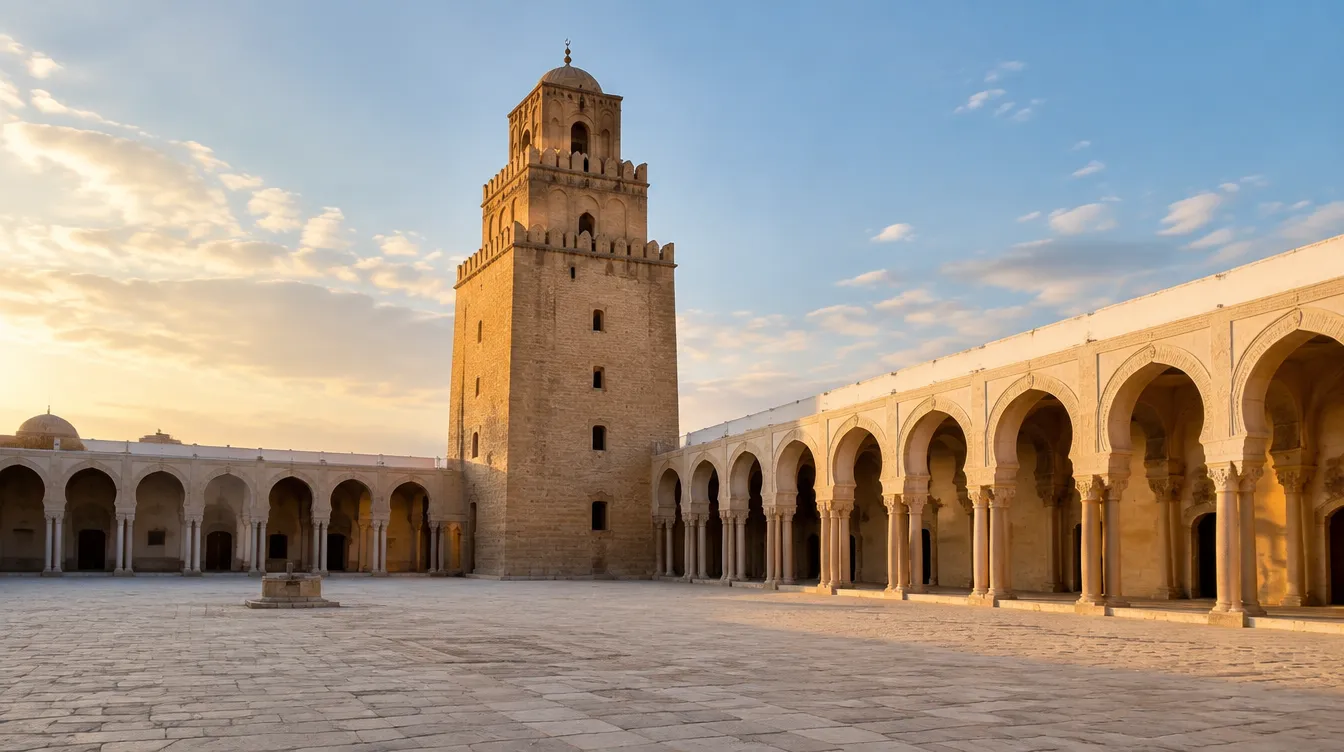
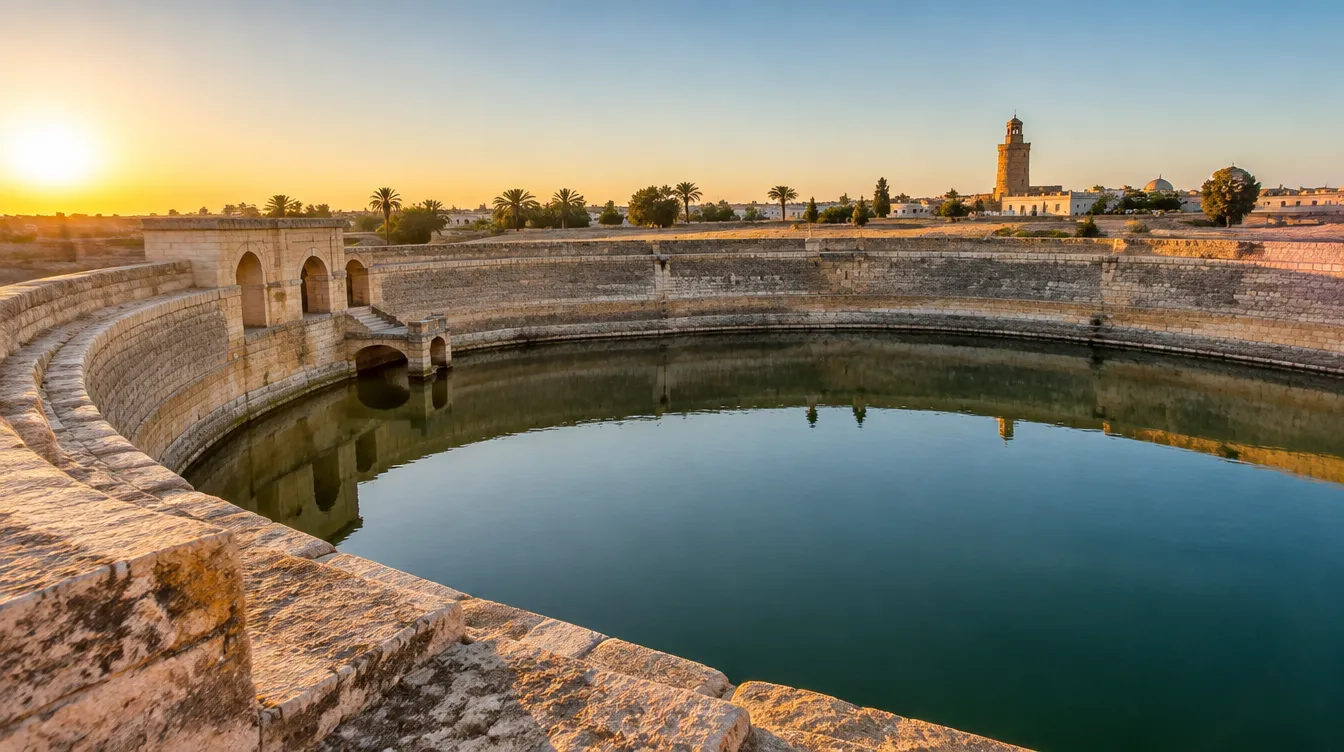
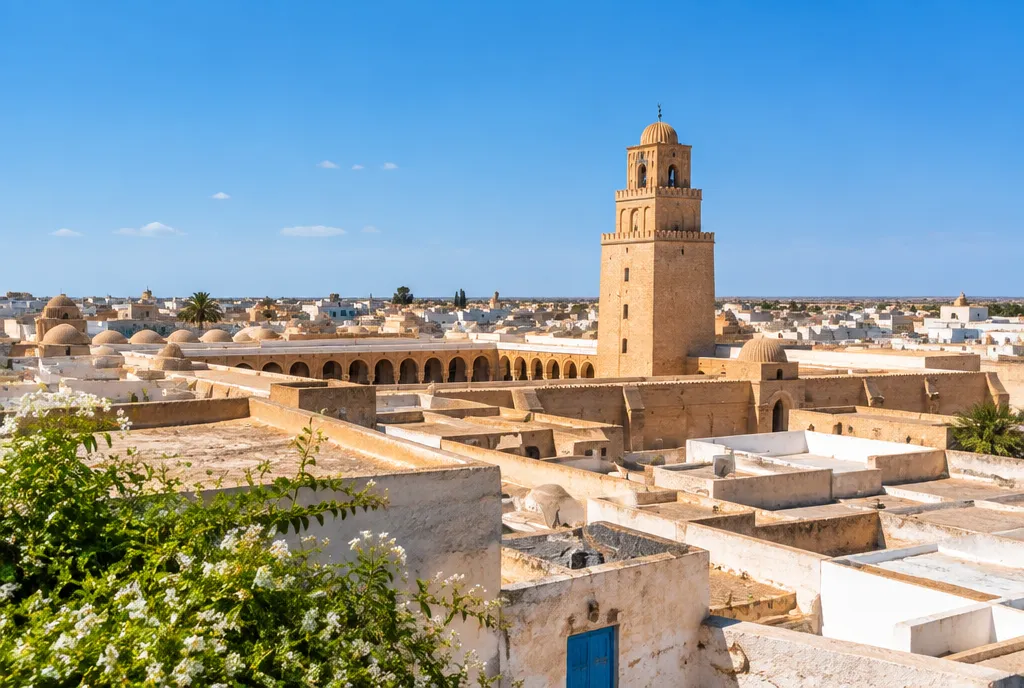
- March to May and October to November are the most comfortable months for the medina, the Aghlabid Basins and day trips.
- July and August are best avoided for long walks. If you come, start at dawn and rest indoors at midday.
- Winter is quiet and cheap. Bring a jacket, and expect some rain between November and March.
Ramadan and the Mawlid
- During Ramadan the city slows down by day and comes alive after iftar. Many cafés and restaurants open late, and opening hours change.
- Around the Mawlid pilgrims fill the city, so book hotels early. Read our visitor tips.
What to pack
- Light, loose clothing that covers shoulders and knees, for the heat and for mosques.
- A hat, sunglasses, sun cream and a refillable water bottle.
- A light jacket and closed shoes for winter evenings and uneven medina stones.
Plan the rest
See where to stay and our one-day itinerary.
Draft content: temperatures are rounded averages; verify with a current climate source before publishing.